The main idea: The engine drives the pump. CLSS senses what the operator and the job require. HydrauMind controls the oil so the excavator moves smoothly and efficiently.
How does a hydraulic excavator work?
Imagine using a water syringe. When you push the plunger, water moves through the tube and creates force at the other end. A hydraulic excavator works in a similar way, but it uses hydraulic oil, a powerful pump and control valves.
Basic flow: Engine → Hydraulic pump → Control valves → Cylinders or motors → Hydraulic tank
Hydraulic oil carries energy through strong pipes and hoses. The system controls where the oil goes, how much oil flows and how much force is required.
1. The engine drives the pump
The diesel engine rotates the hydraulic pump. The pump draws oil from the hydraulic tank and makes it flow through the system. The pump itself does not directly lift the boom or move the bucket.
Remember: The pump creates oil flow. Pressure develops when the flowing oil meets resistance.
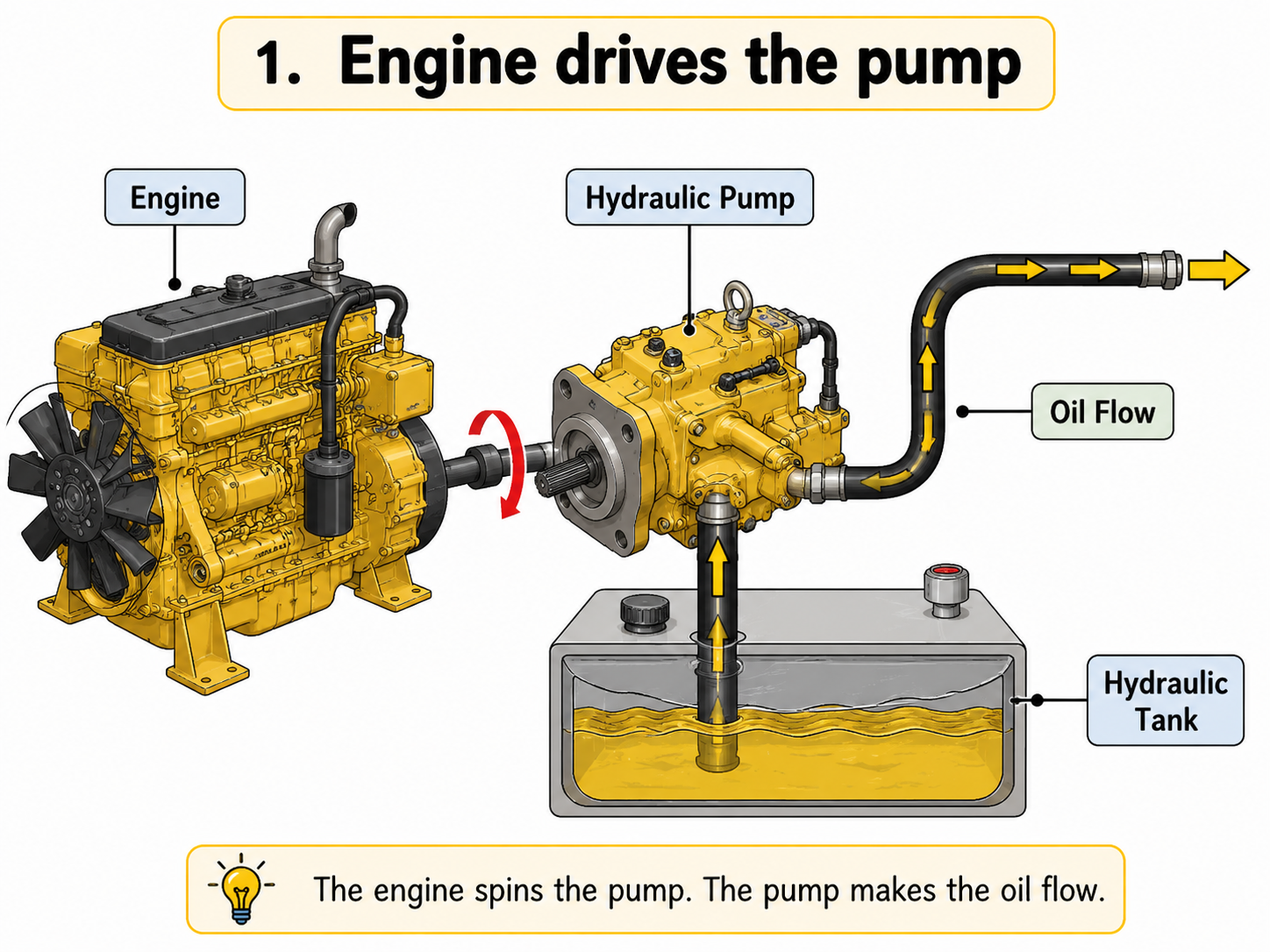
Figure 1: The engine turns the pump, which draws oil from the tank and sends it into the system.
2. The operator moves a joystick
When the operator moves a joystick, it sends a control command to the hydraulic system. Different joystick movements control the boom, arm, bucket, swing and travel.
- Pulling or pushing a joystick can raise or lower the boom.
- Another movement can bring the arm in or move it out.
- The bucket can curl in to dig or open to release material.
A small joystick movement asks for a slow movement. Moving it farther asks for a faster movement.
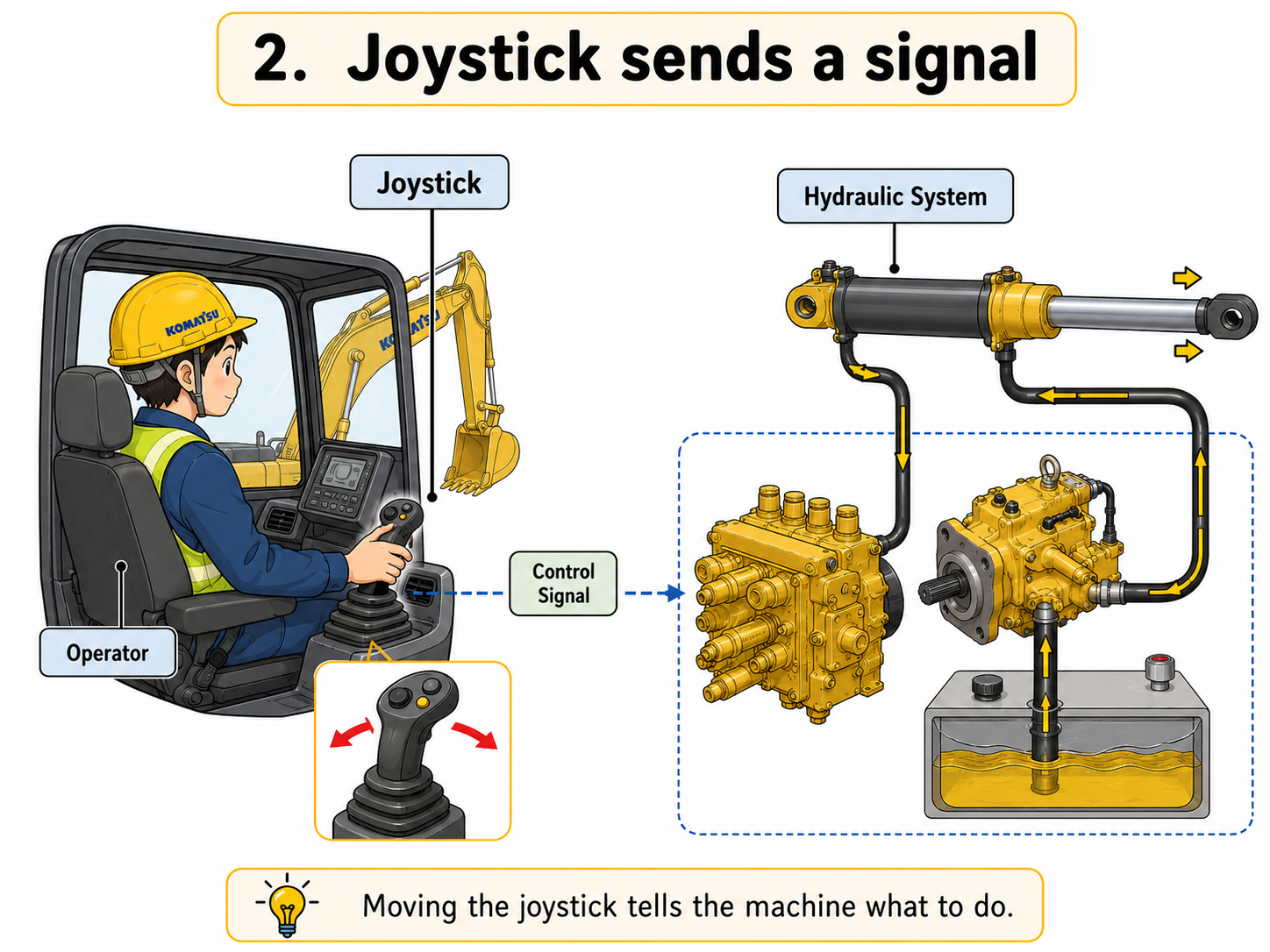
Figure 2: The joystick sends the operator’s command to the hydraulic system.
Key idea: The joystick tells the machine what to do and how quickly to do it.
3. CLSS understands what the machine needs
CLSS means Closed-centre Load Sensing System. It senses the operator’s command and the resistance faced by the machine.
- Digging loose soil needs less force.
- Digging hard soil or lifting a heavy load needs more force.
CLSS sends this information to the variable-displacement pump. The pump then changes its output so that it supplies the amount of oil needed for the job.
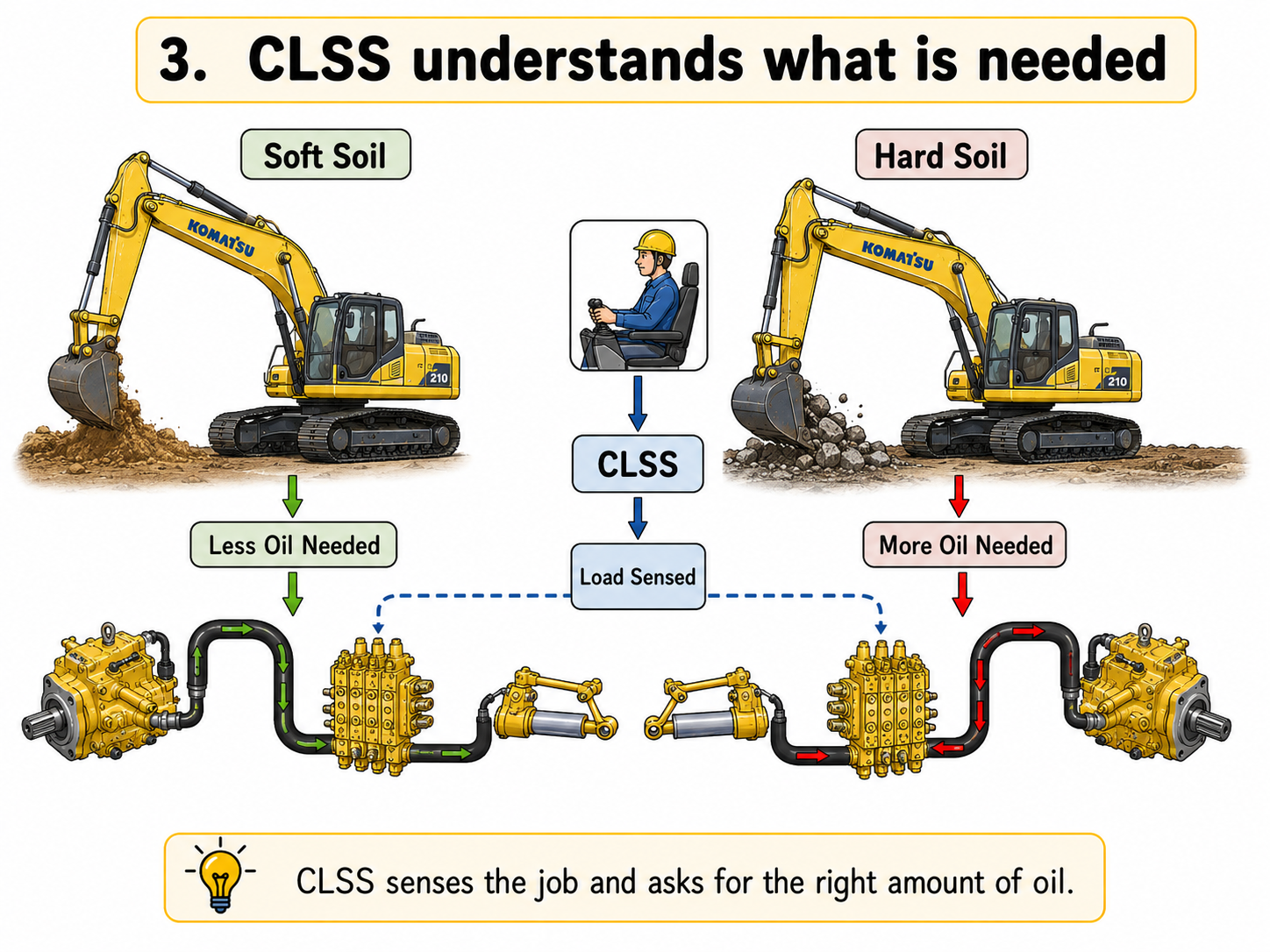
Figure 3: CLSS senses whether the job is easy or difficult and adjusts the oil requirement.
Key idea: CLSS helps the machine avoid sending the same amount of oil for every job.
4. HydrauMind controls the oil
HydrauMind is Komatsu’s hydraulic control concept. It works like the hydraulic brain of the machine. It controls the pump and valves so that the required oil reaches the correct function.
- The right amount of oil is sent.
- The required pressure is produced.
- The oil is directed to the right cylinder or motor.
When the job becomes harder, the system allows more hydraulic force. When only a light movement is needed, it reduces unnecessary pump output.
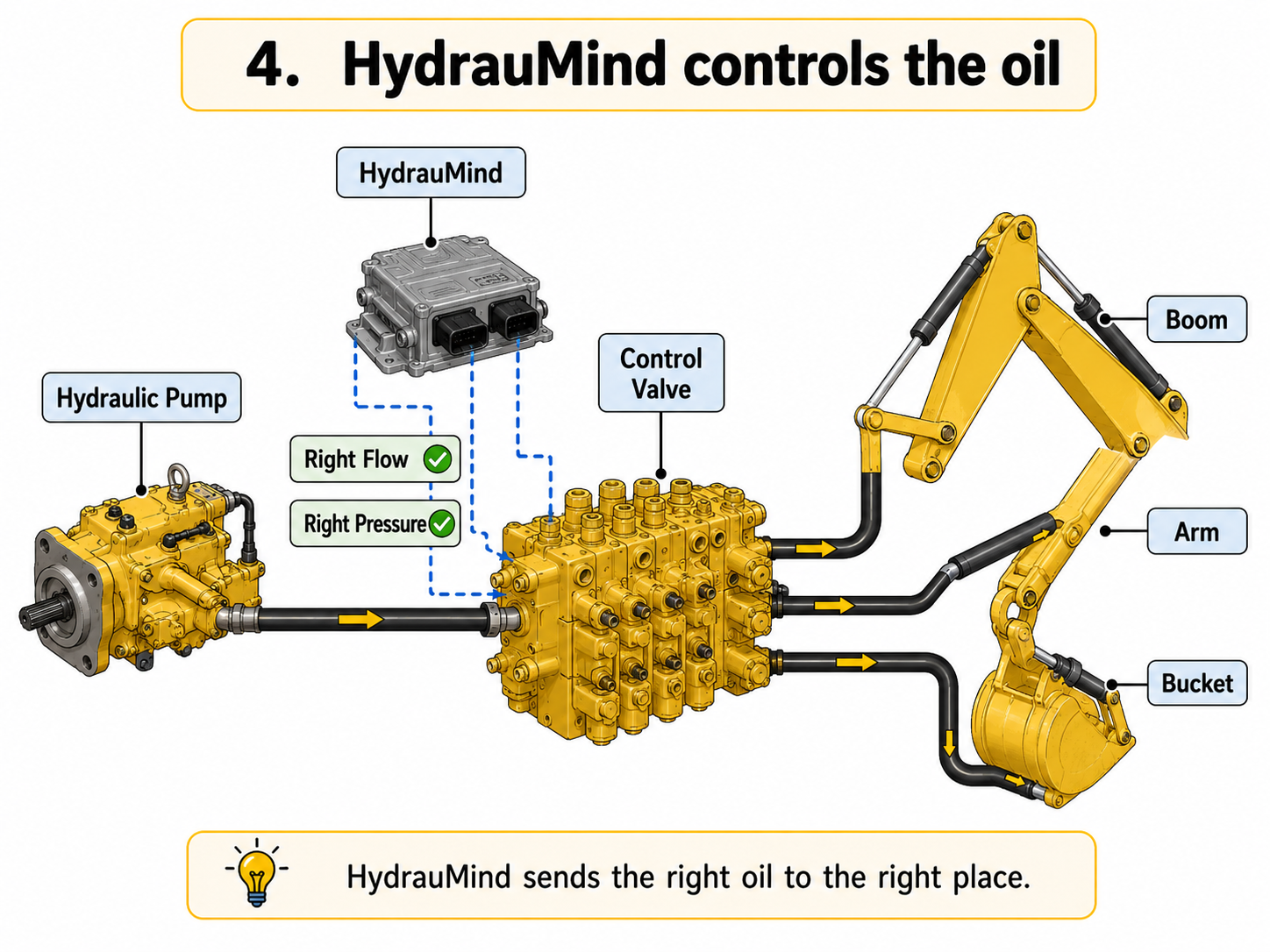
Figure 4: HydrauMind controls oil flow and pressure through the control valve.
Key idea: HydrauMind sends the right oil, with the right force, to the right place.
5. The oil moves the machine
Pressurised oil enters hydraulic cylinders and motors. Inside a cylinder, the oil pushes a piston. The piston moves the rod, and the rod moves a part of the excavator.
- Boom cylinders raise or lower the boom.
- The arm cylinder moves the arm.
- The bucket cylinder curls or opens the bucket.
- The swing motor rotates the upper structure.
- Travel motors move the tracks.
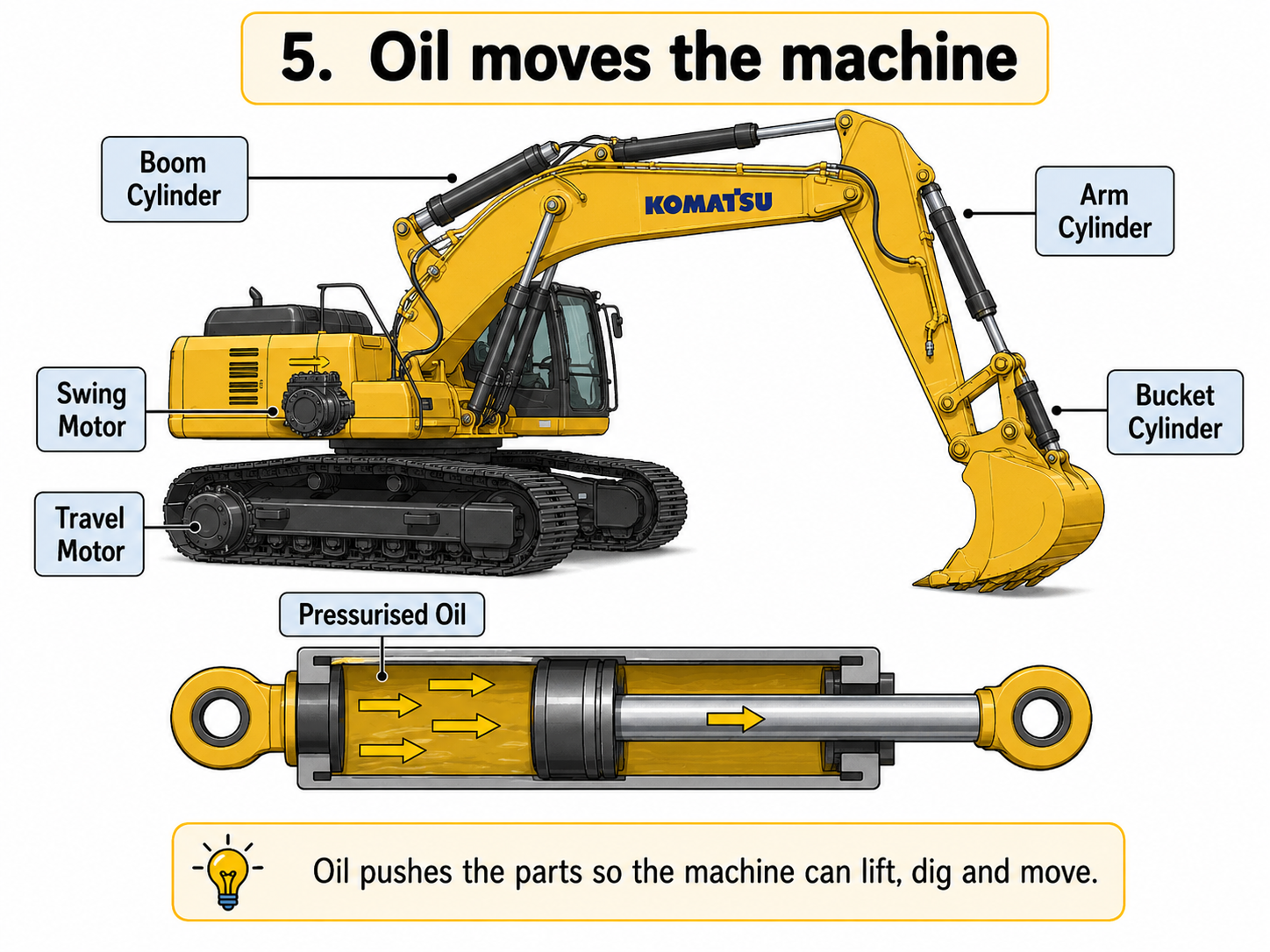
Figure 5: Pressurised oil pushes pistons and powers the cylinders and motors.
Key idea: Hydraulic oil carries the force that allows the excavator to lift, dig, turn and travel.
6. Several movements can happen together
During digging, the excavator may raise the boom, pull the arm and curl the bucket at the same time. The control valve divides the available oil among these functions.
Pressure-compensating valves help each function receive the flow it needs, even when the loads are different. This makes combined operations smooth and easier to control.
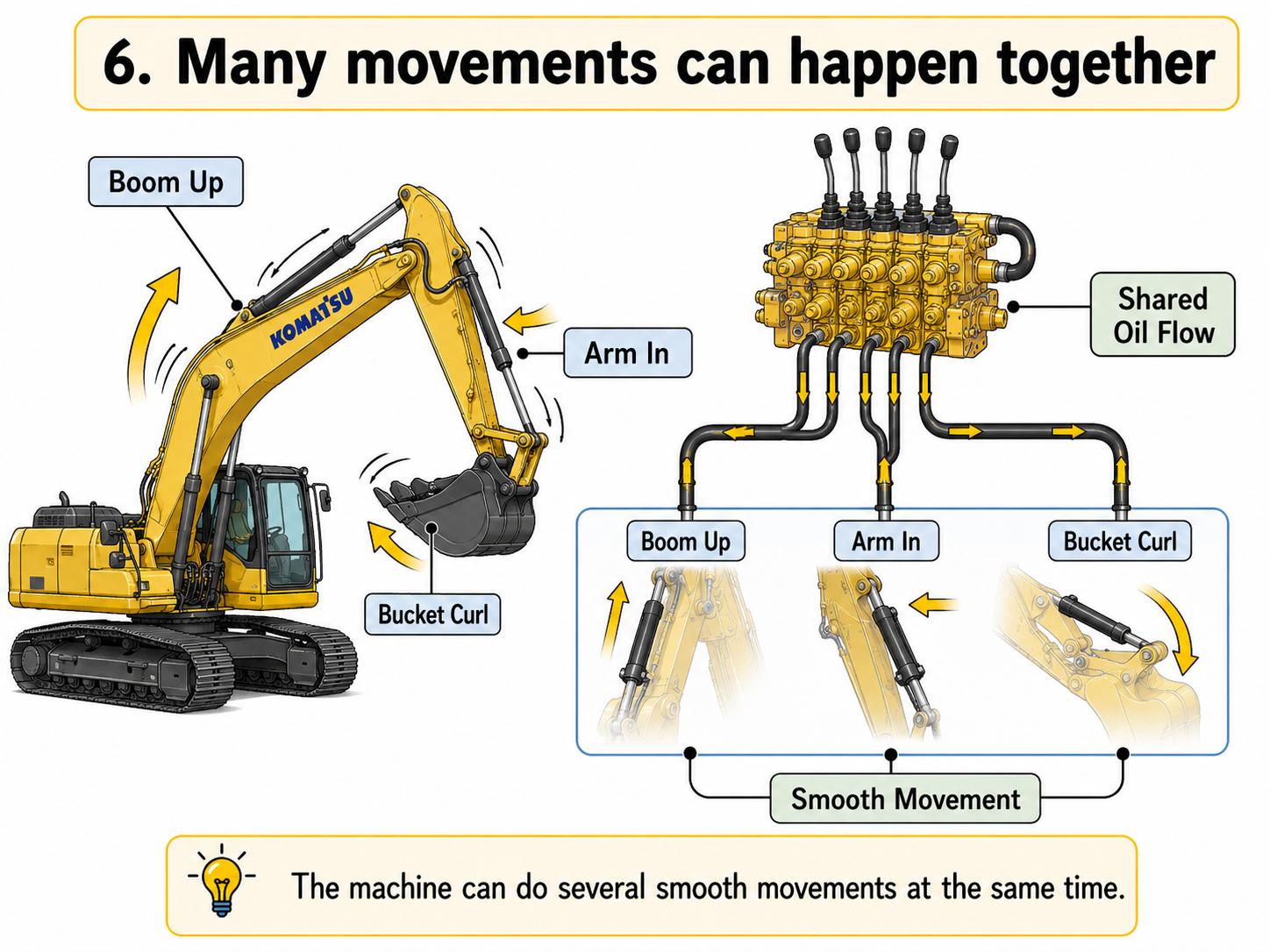
Figure 6: Oil is shared among the boom, arm and bucket for smooth combined movement.
Key idea: The machine can perform several controlled movements together without becoming jerky.
7. The oil returns to the tank
After the oil has moved a cylinder or motor, it flows through the return lines. It passes through a filter and cooler before returning to the hydraulic tank.
- The filter removes dirt and tiny particles.
- The cooler removes excess heat.
- The tank stores the oil so it can be used again.
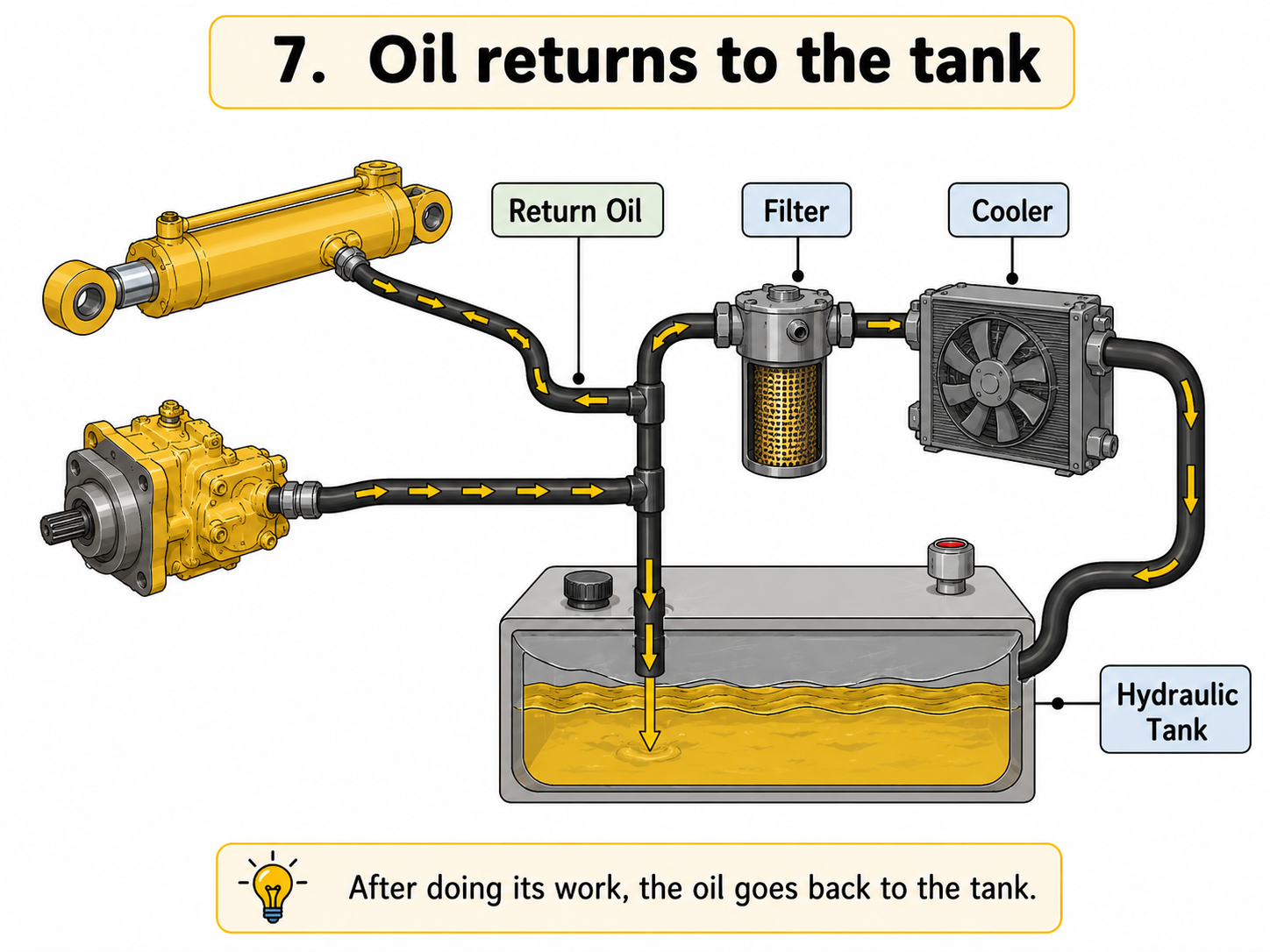
Figure 7: Oil returns through the filter and cooler before entering the hydraulic tank.
Key idea: Hydraulic oil circulates continuously; it is cleaned, cooled and reused.
What happens when the joystick is released?
The control valves return towards the neutral position. The machine stops the commanded movement, and the variable pump reduces its output because high oil flow is no longer needed. This reduces wasted engine power and hydraulic energy.
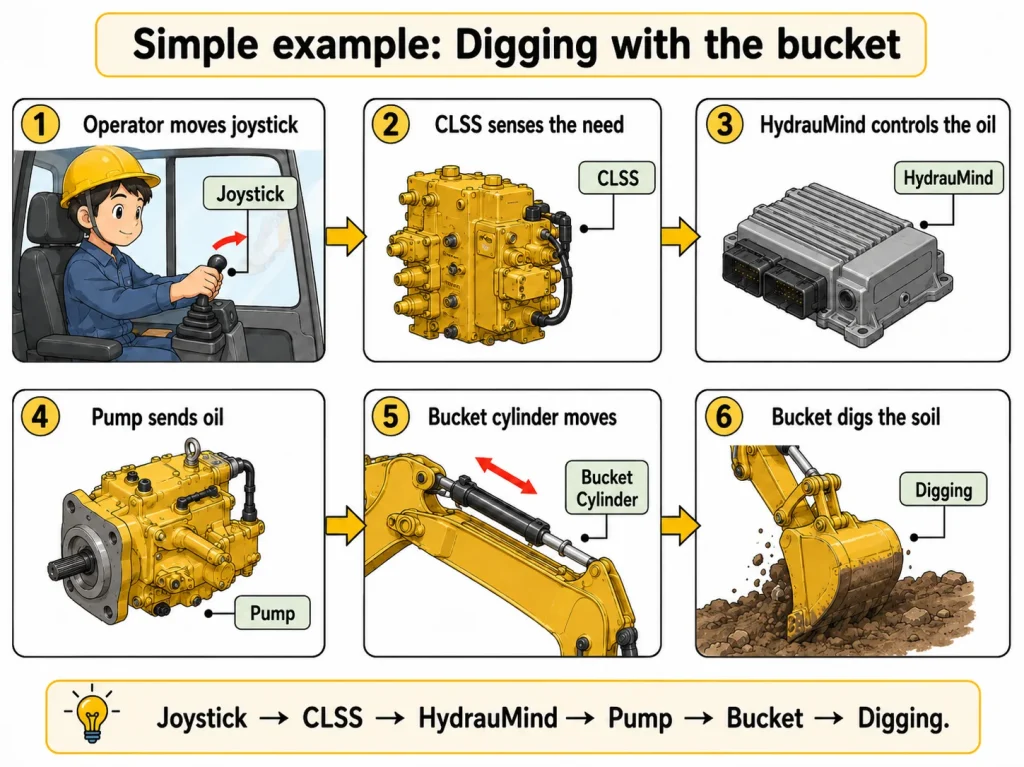
8. Simple example: digging with the bucket
The complete sequence is:
- The operator moves the joystick.
- CLSS senses the joystick command and the digging load.
- HydrauMind controls the required oil flow and pressure.
- The pump supplies oil through the control valve.
- Oil enters the bucket cylinder and moves its piston.
- The bucket curls and digs into the soil.
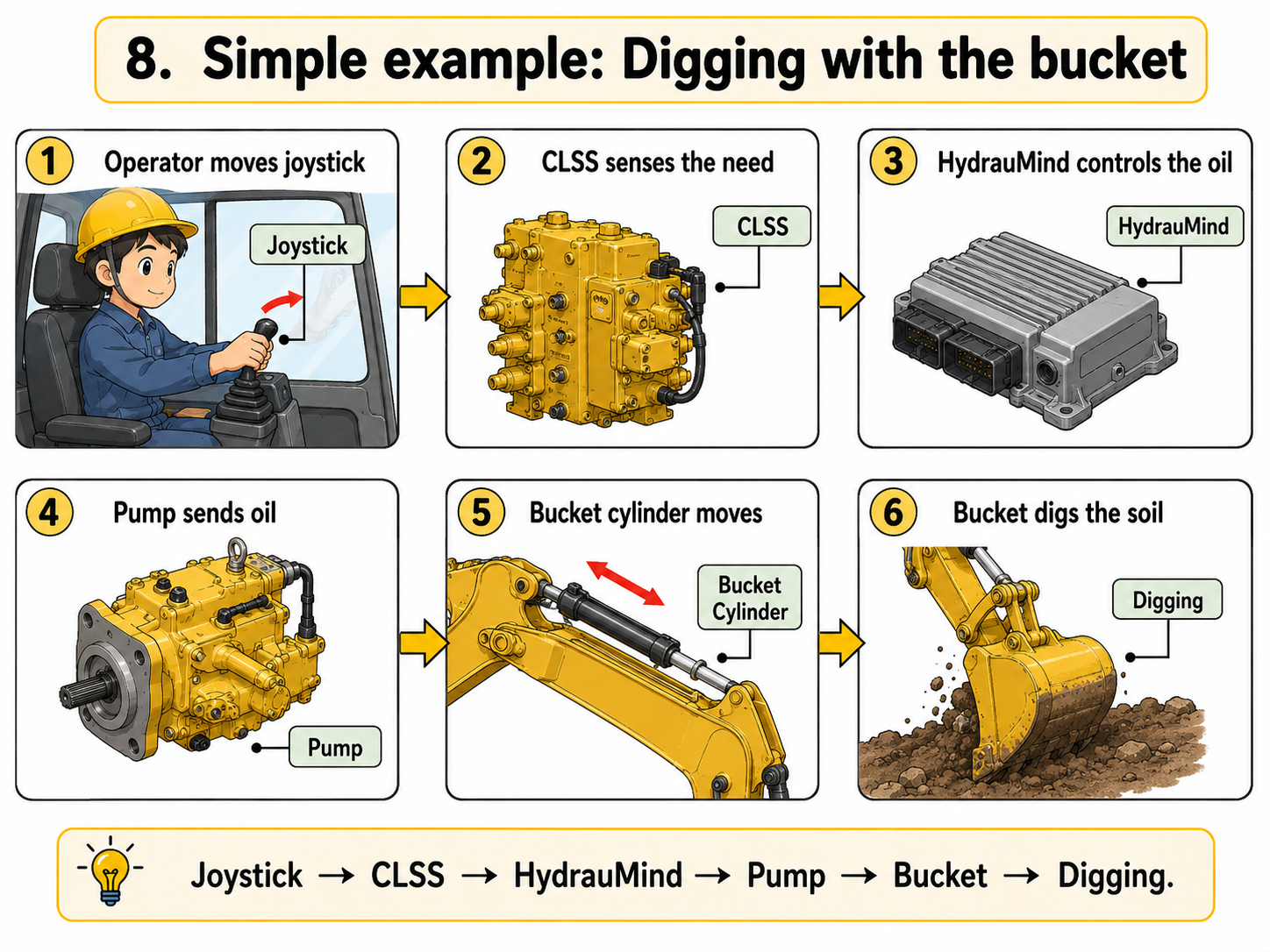
Figure 8: The full sequence from joystick movement to bucket digging.
Complete flow: Joystick → CLSS → HydrauMind → Pump and valves → Bucket cylinder → Digging
Why CLSS and HydrauMind are useful
- Smooth and accurate machine control
- Strong digging force when required
- Easy simultaneous operation of the boom, arm and bucket
- Better use of engine power
- Lower hydraulic energy loss
- Reduced unnecessary fuel consumption
- Less effort for the operator
In one sentence: The engine drives the pump, CLSS senses the operator’s command and working load, and HydrauMind controls the oil so that the machine moves smoothly, powerfully and efficiently.

1 Comment
Thanks for this information